Fabrics for custom streetwear
Pick the fabric for the shape, not the number
Start with how the garment should hang and feel. Then compare real fabrics, rather than choosing from a weight on a spec sheet.
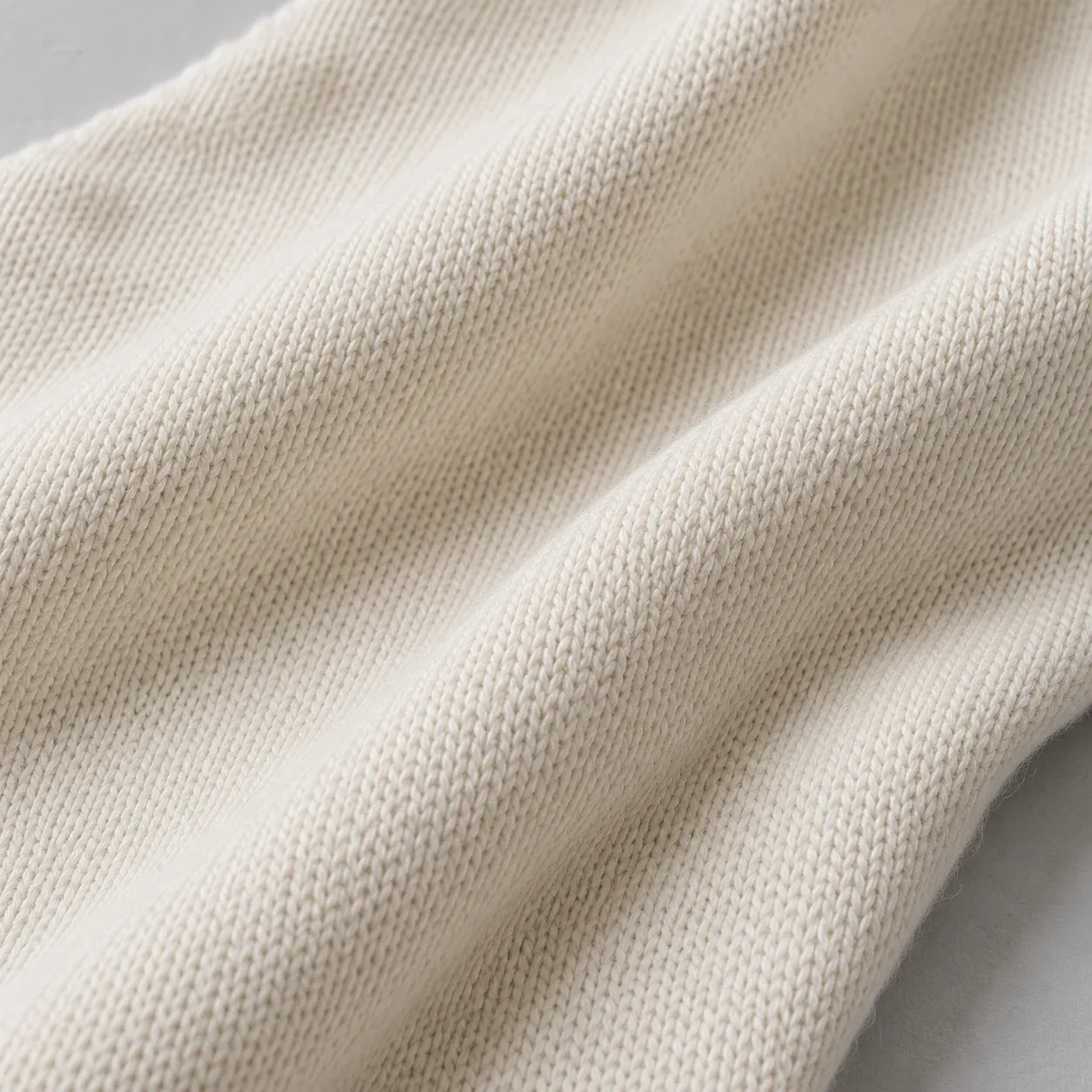
Cotton jersey
T-shirts and lighter tops
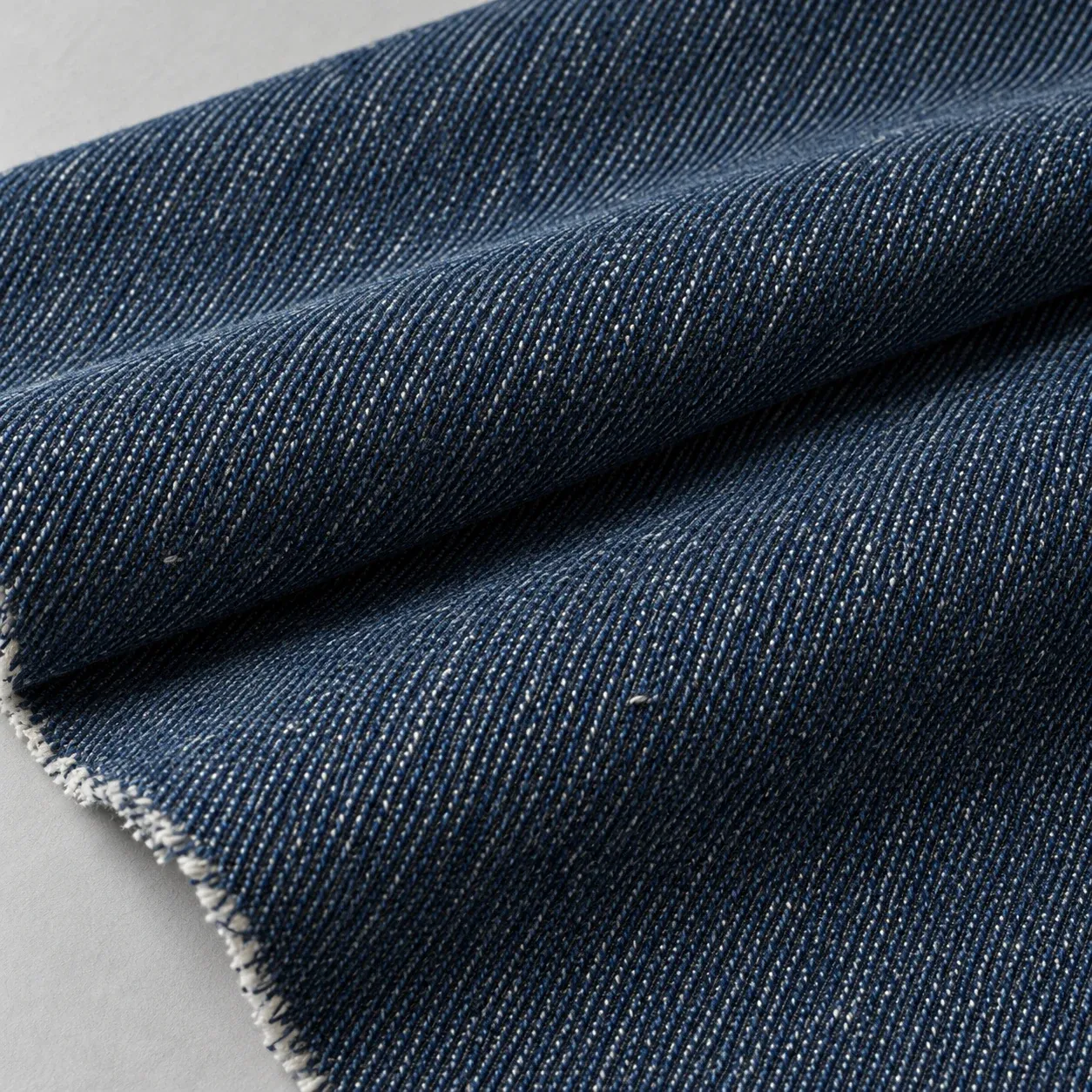
Denim
Jeans, flares and jackets
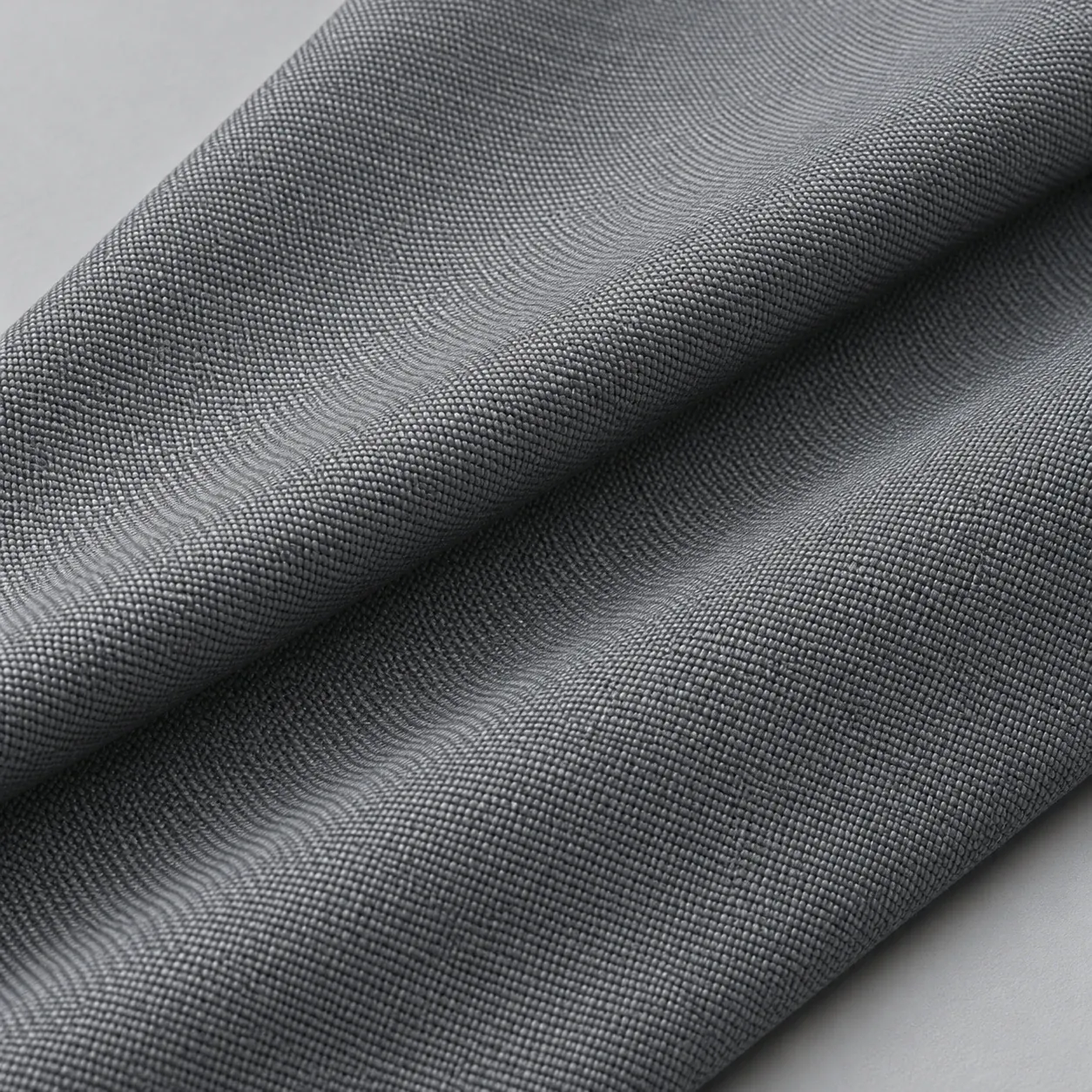
Polyester
Track and technical pieces
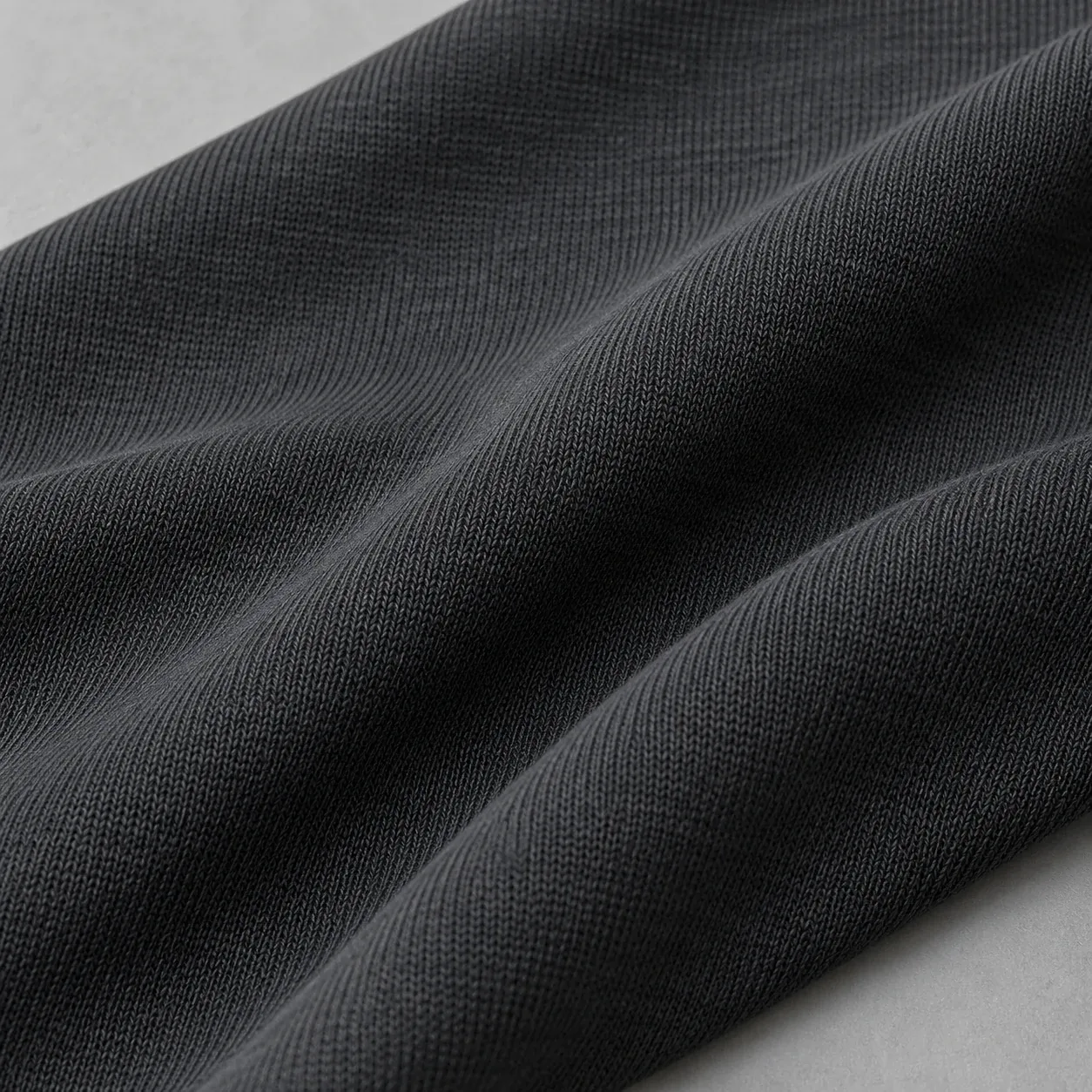
Stretch blends
Fitted pieces that need recovery
| Fabric | Usually used for | What to compare | Ask on the sample |
|---|---|---|---|
| Jersey | T-shirts. | Surface, structure and drape. | How does the body fall? Will the neckline and print sit well on it? |
| French terry | Hoodies, sweatshirts, sweatpants and joggers. | The smooth face and the looped reverse. | How does it feel inside, and does it hold the shape you drew? |
| Fleece | Hoodies, sweatshirts, sweatpants and joggers. | The face and the brushed reverse. | Is the inside feel and weight right for the silhouette? |
| Rib | Collars, cuffs and hems. | Stretch, recovery and colour against the body fabric. | How does the opening sit, and does the colour work with the body? |
What GSM can and can’t tell you
GSM is grams per square metre: how much a fabric weighs for its area. Two fabrics at the same GSM can feel completely different, because structure, yarn and finish all change the result, and the pattern changes how it falls.
Composition and weight are confirmed from the record of the fabric we select. We don’t estimate them from a photo.
Approve colour in your hand
Screens and lighting change how a colour looks, so approve it on physical swatches or samples. Body fabric and rib are different structures, and they can look different even at the same colour target.
Tell us where each fabric goes and send a colour target. If you have testing requirements, put them in the project specification.
Tell us what you want to make
A tech pack helps, but it isn’t required. Clear references or a garment to measure are enough to start.