How a project moves from brief to bulk
From your reference to an approved production plan
Six stages. At each one, you can see what we need from you, what you get back and what has to be decided before moving on.
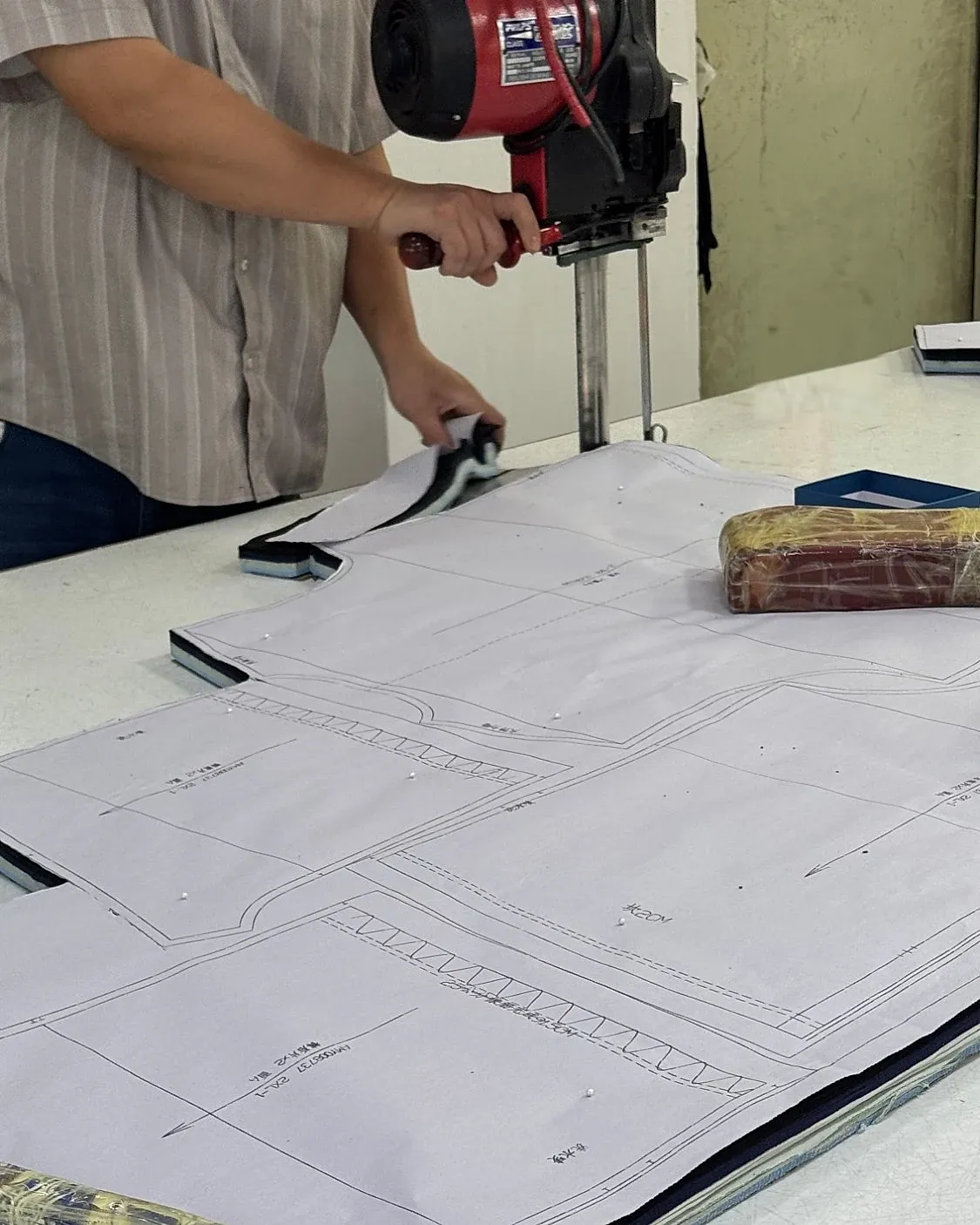
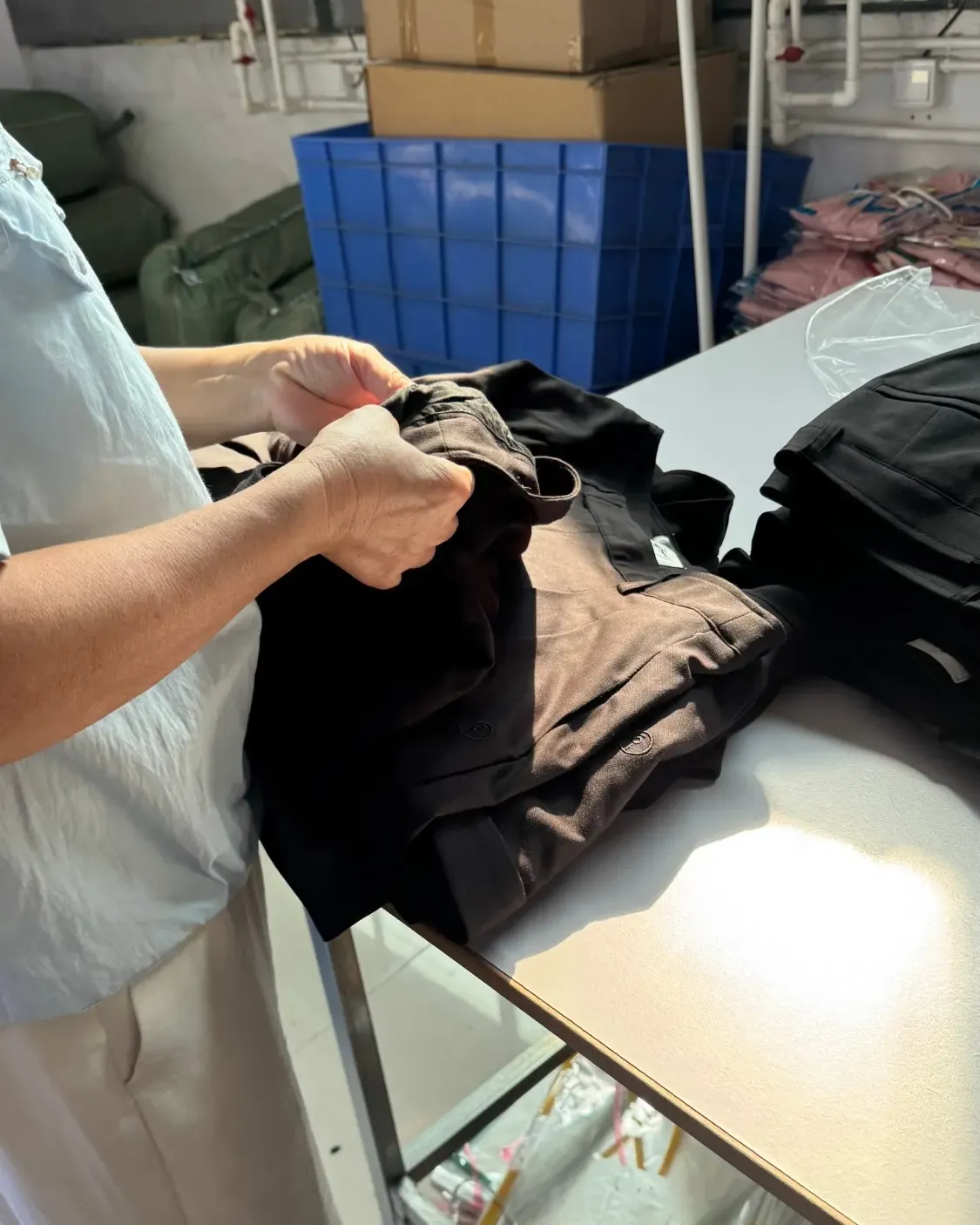
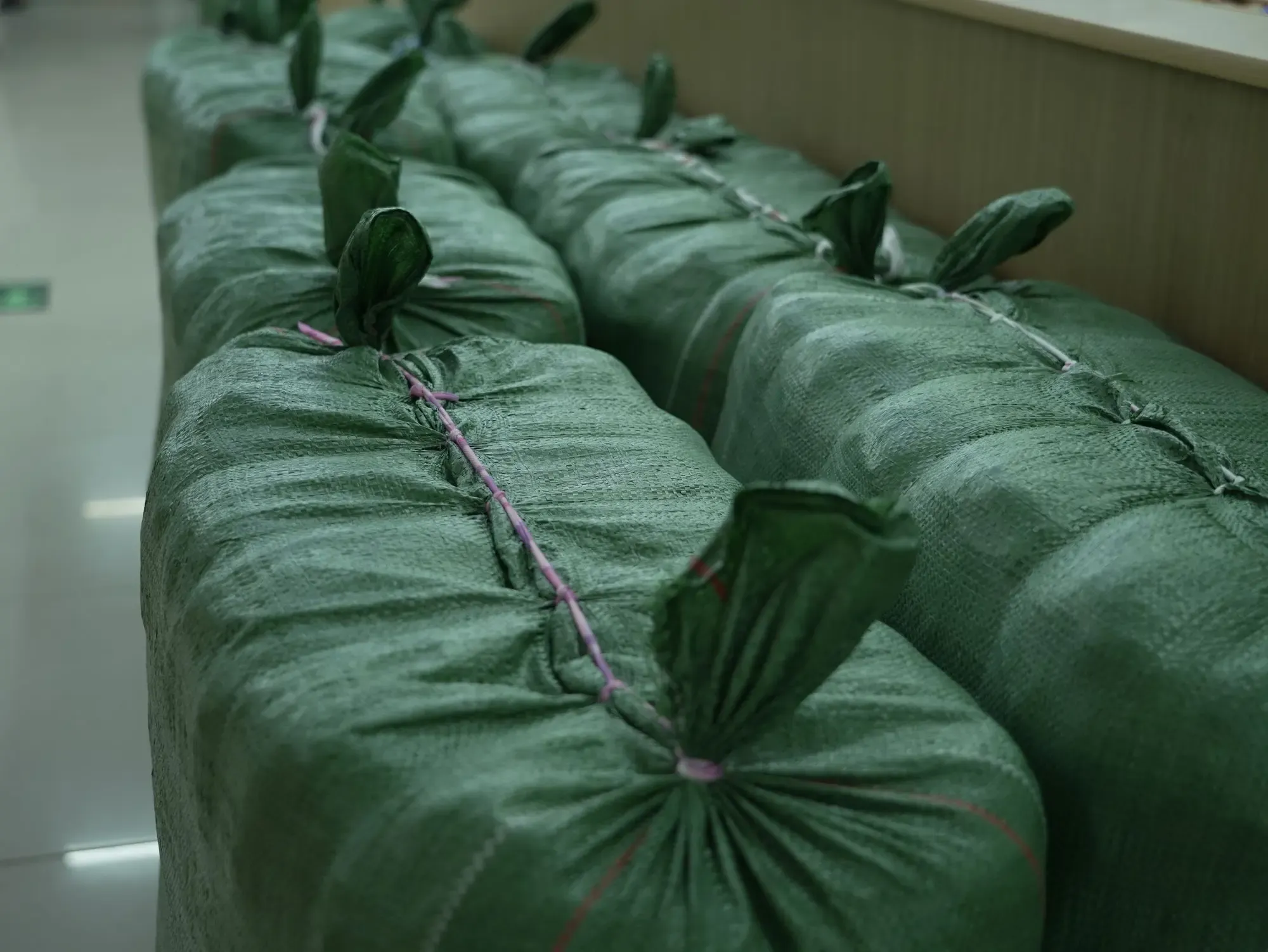
Send the brief
Tell us the garment, the references and the quantity per style and colour.
- You send
- A tech pack, reference images or a garment to measure, plus your destination.
- You get back
- Questions about anything we can't yet read from the brief.
- The decision
- Is there enough here to scope a sample?
Agree the scope
We go through fabric, construction and artwork, then set out what the sample and quote will cover.
- You send
- Answers on fit, fabric and artwork. Open questions are fine.
- You get back
- Sample scope and quotation scope for this project.
- The decision
- What will the sample include?
Make the sample
Pattern, fabric and decoration come together in one physical garment.
- You send
- One set of consolidated feedback on fit and details.
- You get back
- A sample, then revisions where they are needed.
- The decision
- Does it need another round?
Approve the details
Agreed measurements, artwork, colour, finish and revisions go on record.
- You send
- Your approval, or the changes you still need.
- You get back
- The approved specification that bulk will follow.
- The decision
- Approve the sample before bulk.
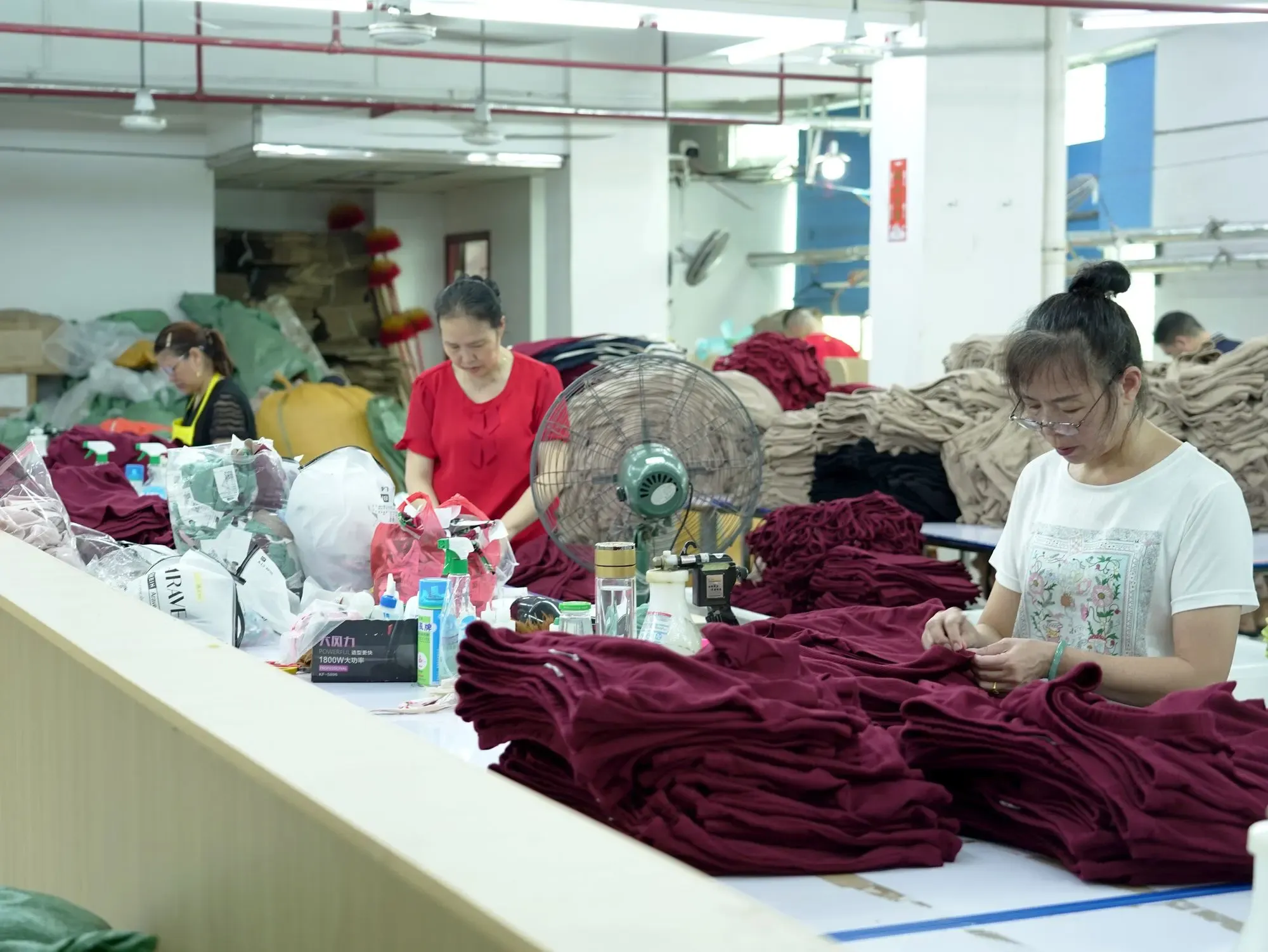
Produce the order
Bulk follows the approved specification and the agreed order conditions.
- You send
- Final quantities and confirmation of project arrangements.
- You get back
- Production against the approved specification.
- The decision
- Confirm quantities and arrangements.
Inspect, pack and ship
Garment checks, labelling, packing and shipping arrangements for the project.
- You send
- Labelling, packing and delivery requirements.
- You get back
- Inspection and packing as agreed for the order.
- The decision
- Agree shipment details and responsibilities.
What the sample record covers
Approval happens against a record, not a memory. Each round captures what was checked and what changes.
- FitShoulder, body and sleeve, on a body and laid flat
- MeasurementsMeasured against the agreed specification
- Fabric and colourHandfeel, surface and colour under the same light
- ArtworkSize, position and surface of the decoration
- Labels and trimsPlacement and finish of every branded detail
- Approved
- Goes on record, and bulk follows it
- Needs changes
- Goes into the next sample round
Sample only, or bulk?
Tell us whether you want a first sample, a revision of an existing garment or a collection ready for bulk. It changes what we scope.
Sample fees are quoted after reviewing the design and material requirements.
Samples take 7–10 days. Bulk production takes 25–30 days. The schedule for your project is confirmed after specification review.
Shipping responsibilities, payment terms and other order conditions are agreed for each project. Sending an inquiry doesn’t confirm them.
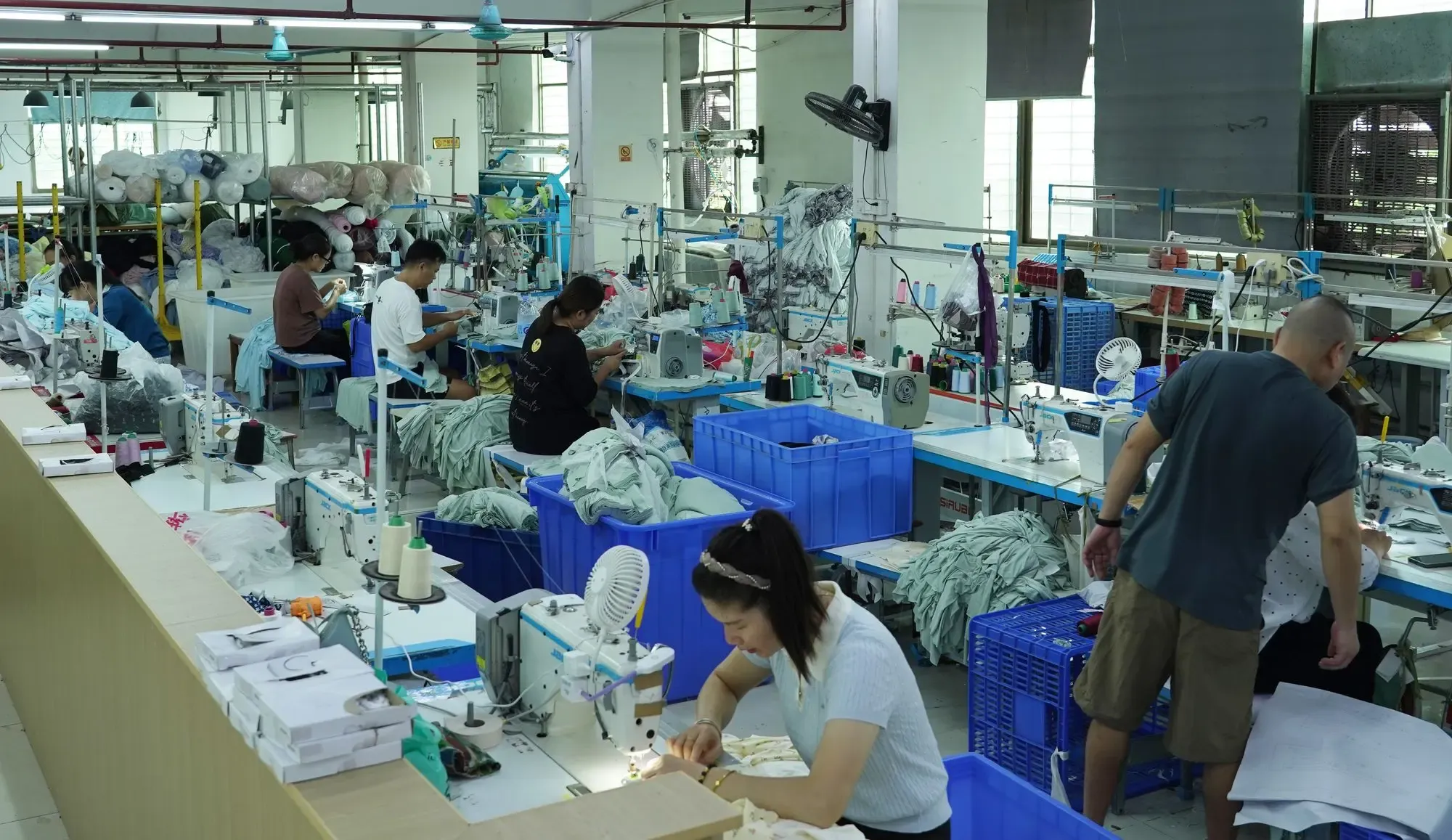
Tell us what you want to make
A tech pack helps, but it isn’t required. Clear references or a garment to measure are enough to start.